Discovery of the Oldest Ancient Earthquake at the Ebrahimabad village in the Qazvin Plain of the Iranian Central Plateau Hassan Fazeli Nashli, University of Tehran
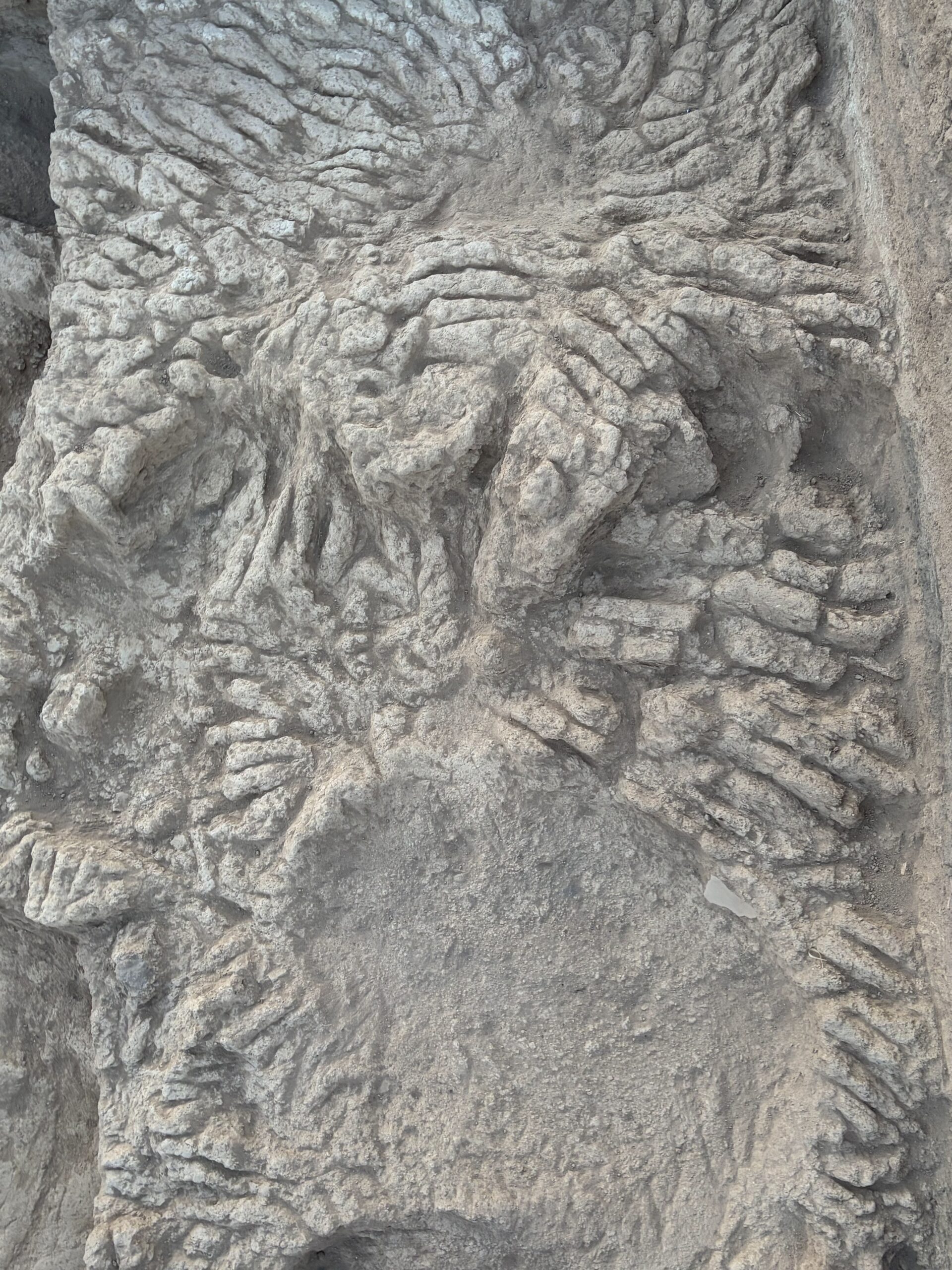
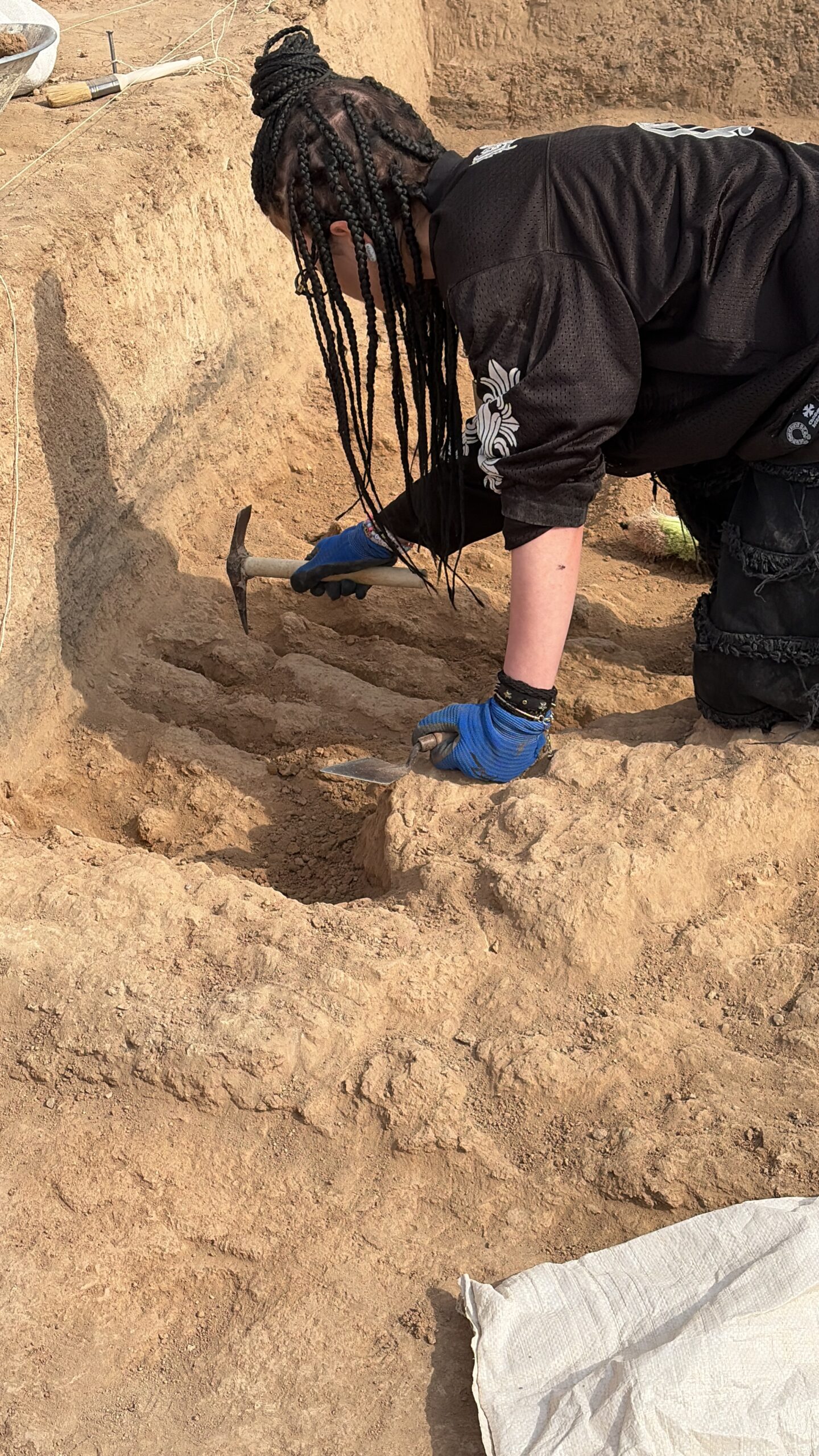
The Qazvin Plain is one of Iran’s most important regions, settled approximately 8,000 years ago by farmers who apparently migrated from the Zagros region. This fertile and exceptionally rich plain is full of early villages and proto-cities, one of these satellite villages being the site known as Ebrahimabad. This ancient site was excavated by an archaeological team from the University of Tehran, led by Professor Hassan Fazeli Nashli, in the years 2006, 2024, and 2025. This ancient site, which dates back about 7,500 years, was destroyed by one of the deadliest ancient earthquakes in the southwestern Asia. This earthquake itself is one of the oldest pieces of evidence for seismic activity in Iran and is significant in several respects. Traces of this earthquake are visible across almost the entire surface of the ancient site, with streaks of destruction and the village’s ruins observable throughout the ancient mound. It appears that the destruction of ancient villages at this site, seen in many locations across the Central Plateau, were either destroyed by floods or permanently extinguished by earthquakes.